

Buying Guides
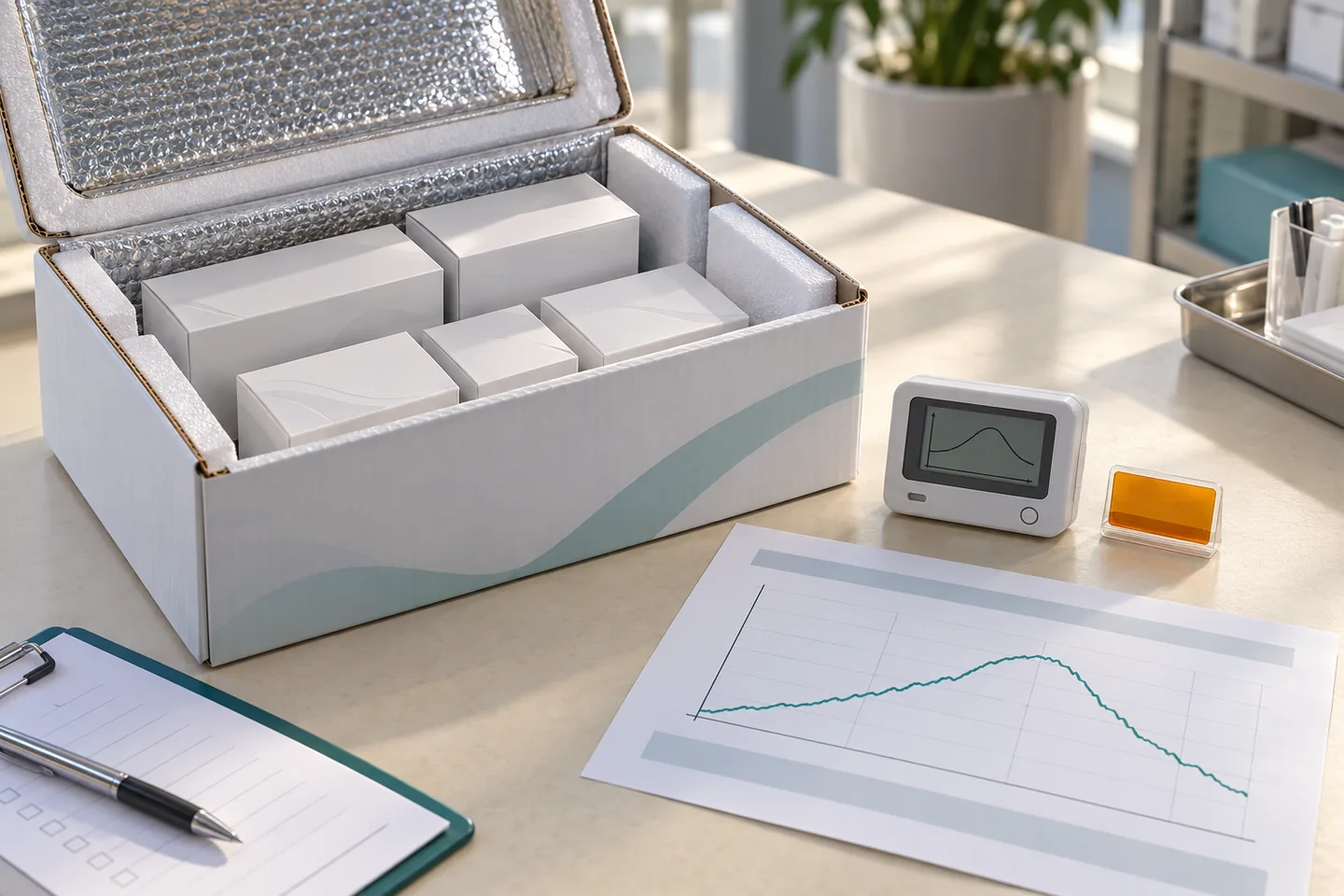
Medical Device Temperature Excursions: Receiving Response
Handle a temperature alarm at receipt by preserving logger data, identifying affected lots and requesting a product-specific assessment before release.
Supplier selection, vetting checklists, MOQ planning and sourcing decisions for aesthetic medical buyers and distributors.
Buying Guides Archive
Showing 1–9 of 9
Handle a temperature alarm at receipt by preserving logger data, identifying affected lots and requesting a product-specific assessment before release.

Normalize aesthetic product quotations with a landed-cost worksheet covering delivery scope, freight, handling, taxes and the quantity actually available.

Calculate a receiving shelf-life threshold from downstream requirements, handling time and stock cover, then compare lot-level expiry dates before ordering.
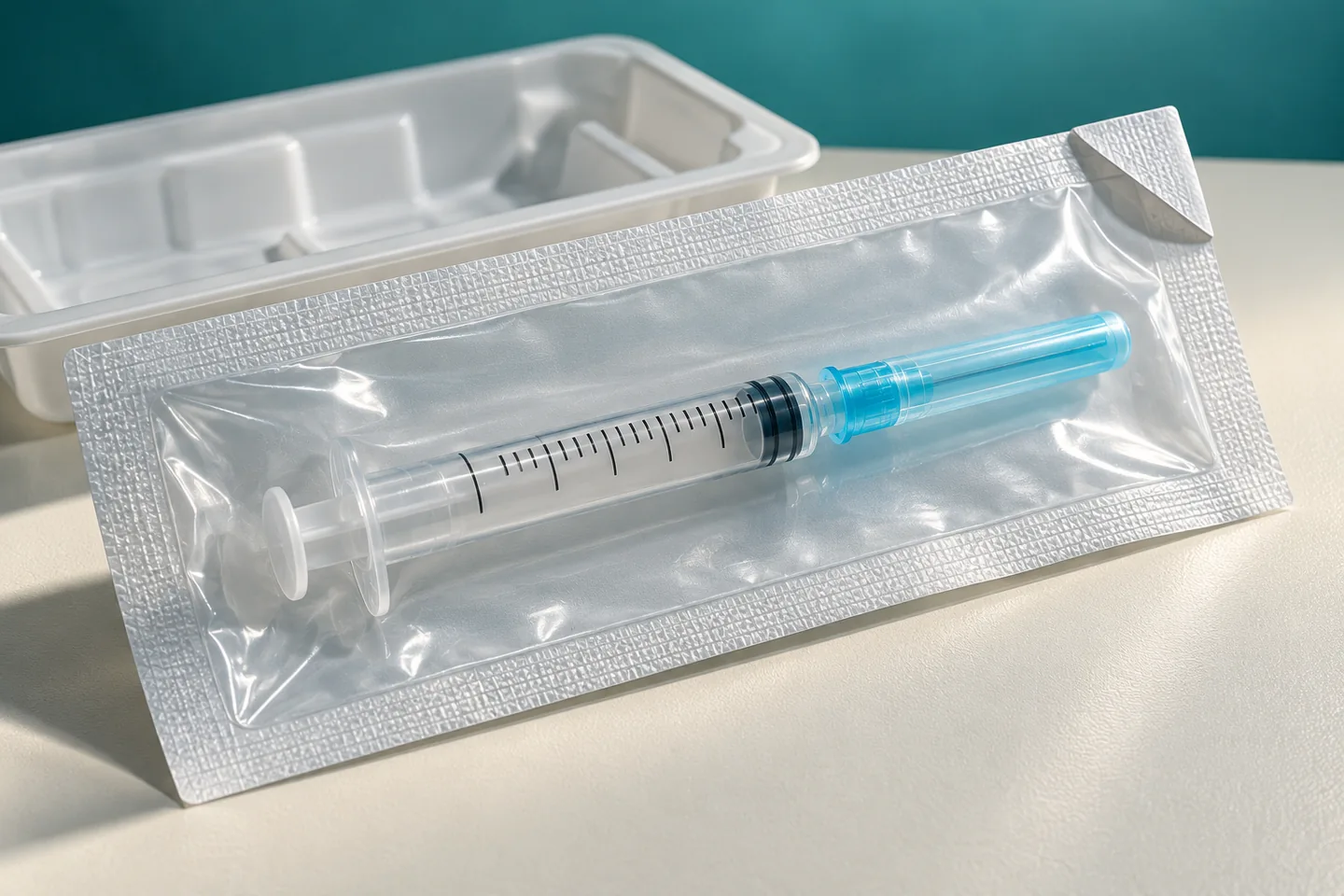
Distinguish outer-carton damage from sterile-barrier concerns, record receiving observations and request the right packaging evidence from suppliers.
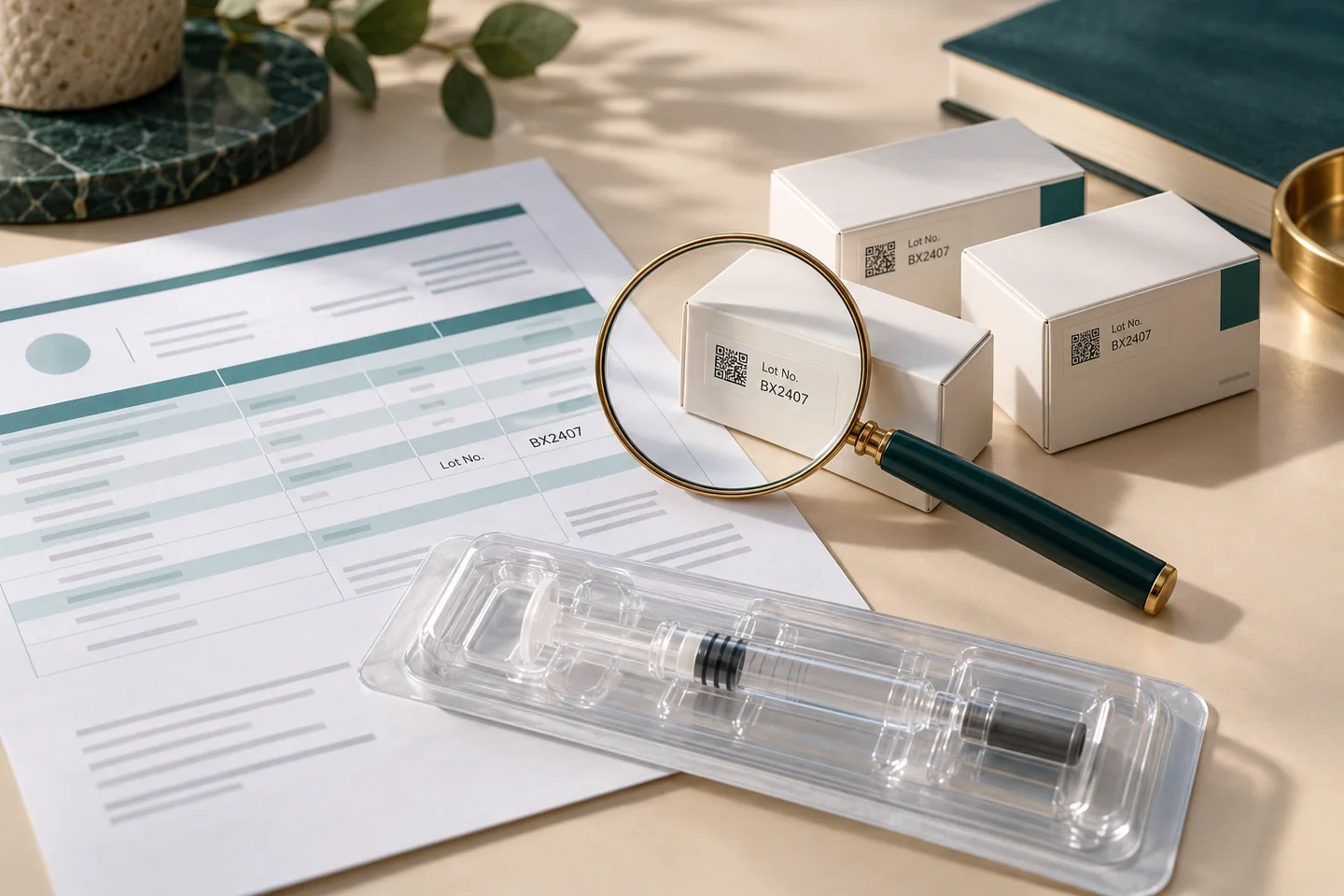
Review a dermal filler certificate of analysis against the ordered model, batch identifiers, test methods and release documents before accepting stock.

How distributors and importers choose between 10ml, 20ml, 50ml, and 100ml body filler formats, covering concentration, vials, freight, and order sizing.
Why dermal filler MOQ exists, how stock and custom thresholds differ, what really drives lead time, and how buyers plan a first order safely.
A B2B sourcing guide for medical distributors: intra-articular HA specification checks, syringe formats and supplier qualification.

A 10-point checklist for vetting a dermal filler supplier: ISO scope, batch records, cold chain, sample policy and the red flags to watch.
Get direct-from-cleanroom quotes, batch test certificates (COA), or private label formulation options tailored to your medical practice.